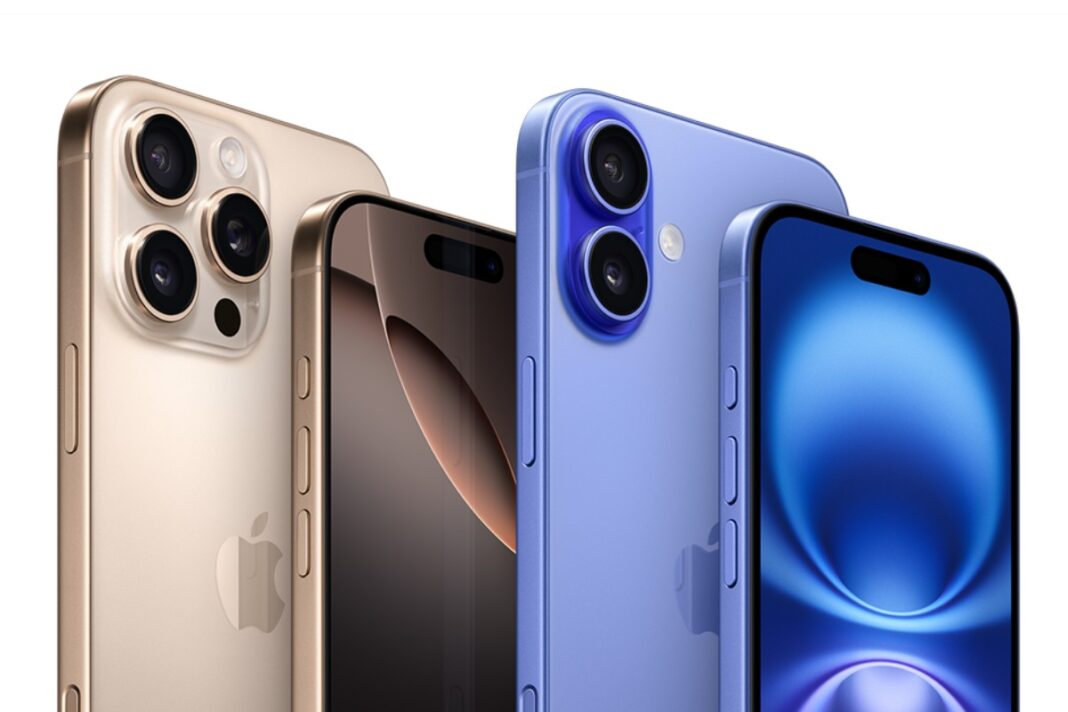
Moving from an iPhone to an Android device unlocks a world of new features, customization options, and freedom—but what about your photo memories? Whether you’re a casual user or a photography enthusiast, you need a secure, fast, and easy way to transfer your pictures. In this updated guide, discover the best methods, practical tips, and FAQs for migrating photos seamlessly, featuring new apps, cloud workflows, and data security strategies for 2025.
Why Transfer Photos? What’s Changed in 2026?
Switching devices is more common than ever—42% of mobile users globally switched platforms in 2024-2026, mostly due to affordability and feature upgrades. With over 3 billion smartphone users worldwide, ensuring your photos aren’t stuck on your old iPhone is crucial.explodingtopics+1
Common reasons for device migration:
-
Upgrading from iOS to Android for affordability
-
Seeking advanced customization options
-
Capitalizing on better camera tech or battery
-
Joining family plans on Android ecosystems
2026 Trends:
Android now holds over 72% market share globally, while iOS stands at 28%. Seamless cross-platform photo transfer is a top concern among switchers.tekrevol+1
Understanding Your Options: Methods to Transfer Photos in 2026
Transferring photos isn’t complicated, but choosing the right method for your needs is essential. Consider your photo library size, available hardware, internet speed, and preferences for organization or backup.
Primary Transfer Methods (2026):
-
Cloud-based solutions (Google Photos, Google Drive, OneDrive, Dropbox)
-
Direct cable transfer
-
Wireless apps (AirDroid, SHAREit, Send Anywhere)
-
Manual export/import
-
Professional transfer services
Let’s explore each with actionable steps.
Method 1: Cloud-Based Photo Transfer – Google Photos, Drive & More
Cloud sync is the gold standard for simplicity and security. You upload your images to the cloud from your iPhone and download them on your new Android device.
Step-by-Step: Using Google Photos (Recommended)
-
Install Google Photos (iOS App Store).
-
Sign in with your Google account.
-
Enable “Backup & sync” in settings.
-
Connect to stable WiFi for faster uploads.
-
-
Confirm all photos are uploaded.
-
Use the “Photos” tab to double-check.
-
-
On your Android device:
-
Open Google Photos.
-
Login with the same Google account—the photos will appear automatically.
-
-
Organize images into albums as desired.
Keyword focus: Transfer photos from iPhone to Android, move images, cloud sync, wireless photo migration.
Pro Tips:
-
Select “High Quality” for unlimited storage.
-
After confirming, use “Free up space” on iPhone (helps clear local device storage).
-
Create folders for events, trips, or people using Google Photos’ smart categorization.
Alternatives: Google Drive, OneDrive, Dropbox
-
Upload photos to any cloud service.
-
Download them via the Android app.
-
Beware free storage limits (Google offers 15GB, OneDrive 5GB, Dropbox 2GB).
| Service | Free Storage | Paid Upgrade | Best For |
|---|---|---|---|
| Google One | 15GB | $1.99/100GB | Android, iPhone |
| iCloud | 5GB | $0.99/50GB | iPhone, Mac |
| Dropbox | 2GB | $11.99/2TB | Cross-platform |
| OneDrive | 5GB | $1.99/100GB | Windows, Android |
Method 2: Direct Cable Transfer (Fastest for Large Libraries)
For over 1,000 images or slow/unreliable internet, direct cable transfer is your best bet.
Hardware Needed:
-
USB-C to Lightning Cable (budget models from $15; Apple original around $29)
-
Both phones (fully charged)
Instructions:
-
Connect USB-C to Lightning cable between devices.
-
Trust each device when prompted.
-
On Android, open “Files” or “My Files.”
-
Find your iPhone as a storage device.
-
Navigate to DCIM/Camera folder.
-
Select and copy photos to Android’s Pictures/Downloads folder.
-
-
Safely eject devices after transfer.
Recommended Cables for 2026:
-
Amazon Basics USB-C to Lightning ($15.99)
-
Anker Powerline+ III ($25.99)
-
Apple Original Cable ($29.99)
Method 3: Wireless Transfer Apps – Fast & Hassle-Free
Wireless apps bypass cables while supporting large and mixed-media transfers.
Top Apps:
-
AirDroid Personal:
-
Install on both devices, login, select photos, tap “Send.”
-
Fast, wireless, no loss of quality.
-
-
SHAREit:
-
Install, select “Send” on iPhone, “Receive” on Android.
-
No internet required, supports bulk transfer, but sometimes ads pop up.
-
-
Send Anywhere:
-
Select photos, generate a code, enter on Android.
-
Unlimited size, uses end-to-end encryption.
-
Related terms: cross-platform photo sharing, wireless photo transfer, app-based migration.
Pros & Cons
| App | Pros | Cons |
|---|---|---|
| AirDroid | Wireless, preserves quality | Requires both devices |
| SHAREit | Fast, offline | Ads, occasional hiccups |
| SendAnywhere | Secure, unlimited size | Needs internet sometimes |
Special Solutions: Manual Export & Professional Services
For enthusiasts or professionals with sensitive, RAW, or high-resolution files, consider:
-
Manual export: Use your computer as an intermediary (import to PC, then export to Android).
-
Professional migration: Tech support shops offer turnkey bulk transfer, especially for 50,000+ photos or device setup assistance.
Practical Example: Case Study – Jane’s Device Switch
Jane, a travel blogger, needed to migrate 7,300 images from her iPhone 13 to a Samsung S24 Ultra. Her goals:
-
Preserve original quality and metadata
-
Organize into “Trips” albums
-
Set up long-term backup for all media
Jane’s process:
-
Enabled Google Photos backup (8 hours via WiFi)
-
Verified sync and album structure on Android Phone
-
Cleared duplicates manually post-transfer
-
Set Android auto-backup to Google One and Samsung Cloud
Jane reports seamless access to all her memories and improved image management via Android’s gallery tools.
Troubleshooting Common Transfer Issues
Why Didn’t All My iPhone Photos Arrive on Android?
-
Hidden albums missed: Check under “Other Albums.”
-
Backup incomplete: Confirm sync finished before deleting.
-
File format errors: HEIC files need conversion for older Android models.
-
Connection problems: Restart devices, use certified cables.
Tips to Avoid Common Mistakes
-
Don’t delete photos until after successful transfer.
-
Always backup to multiple locations where possible.
-
Avoid sketchy third-party apps to preserve privacy and data security.
Advanced Tips for Photo Enthusiasts
Maintain Image Quality and Metadata
-
Always move “original” quality files.
-
Check for EXIF metadata preservation (date, location).
-
RAW formats need compatible apps: use PhotoSync or direct import/export for .DNG, .CR2, etc.
Organization Before & After Transfer
Before transfer:
-
Delete unwanted screenshots or duplicates.
-
Sort photos by date/event.
-
Create folders on iPhone for easy mapping.
After transfer:
-
Check image count matches.
-
Verify oldest to newest photo dates.
-
Randomly sample images for quality checks.
Setting Up Your New Android for Long-Term Photo Storage
Once all photos have arrived, set up smart albums, enable auto-backup, and explore editing apps.
Recommended Storage Strategies:
-
Google One: Upgrade for expanded cloud backup.
-
Amazon Photos: Free unlimited storage for Prime members.
-
OneDrive: Integrated with Office and Windows.
-
Dropbox Pro: For multi-device and team collaboration.
Physical Backup:
Use external hard drives, SSDs, or NAS systems for robust offline protection.
Seasonal & Special Transfer Considerations
Summer Transfer Tips
-
Backup photos before vacation device switch.
-
Protect your device and images (waterproof cases).
Holidays & Family Events
-
Transfer before big gatherings for easy sharing.
-
Save important memories in both cloud and physical formats.
Featured Snippets: Concise Answers to Top User Queries
How can I quickly transfer photos from iPhone to Android in 2026?
-
Use Google Photos cloud sync for instant migration. Enable “Backup & sync” on iPhone and login with the same account on Android.
What is the fastest photo transfer method with no internet?
-
Direct USB-C to Lightning cable transfer is best for large photo libraries without WiFi.
Frequently Asked Questions (FAQ)
1. Can I transfer photos from iPhone to Android without internet?
Yes! Direct cable transfer or apps like SHAREit and AirDroid offer offline photo migration.
2. Will image quality or metadata be lost?
No, as long as you select “original quality” during cloud transfer and check for metadata support in apps.
3. Are third-party apps safe for photo transfer?
Most popular apps (AirDroid, SendAnywhere, SHAREit) are safe if downloaded from official sources. Always review privacy terms.
4. How do I transfer hidden or locked photos?
Manually export these albums or unlock before cloud sync. Double-check post-transfer.
5. What if my photo transfer fails or some images are missing?
Restart both devices, ensure backup finished, check hidden albums, and verify storage space.
6. Does Android offer automatic photo backup like iCloud?
Yes, Google Photos, Samsung Cloud, and other options offer auto-backup for images and videos.
7. What should I do before deleting photos from my old iPhone?
Verify full image count on Android, back up to another device, and confirm all important albums arrived.
Conclusion:
Switching from iPhone to Android doesn’t mean leaving memories behind. By choosing the method that fits your needs—cloud, cable, or wireless—you can move your entire photo library securely and easily. Start by backing up your memories, organize for the future, and enjoy life on your new device.
Ready to transfer?
-
Download Google Photos or your preferred app now.
-
Back up your existing photos.
-
Begin the switch—your memories are waiting!
With these expert, actionable steps for 2026, anyone can make the platform leap without stress. Need help? Reach out to your manufacturer’s support or consult community forums for device-specific advice.
-
- https://explodingtopics.com/blog/iphone-android-users
- https://backlinko.com/iphone-vs-android-statistics
- https://www.wired.com/story/how-to-switch-from-iphone-to-android/
- https://www.wideanglesoftware.com/blog/how-to-transfer-photos-from-iphone-to-android.php
- https://www.android.com/intl/en_in/switch-to-android/
- https://www.youtube.com/watch?v=0pH_Z1lYQLU


