
Introduction: Why Understanding the Difference Matters
Investing and speculation are terms you’ll often hear in finance, trading, and the stock market—but do you really know how they differ? Knowing the difference between investing and speculating can help you make smarter decisions, manage your risk, and build long-term wealth while avoiding unnecessary losses.
In today’s rapidly changing financial landscape, where meme stocks, crypto booms, and market volatility are everywhere, distinguishing between investment and speculation is more important than ever. Let’s break down the definitions, strategies, risks, statistics, and practical examples that set them apart.
Investing vs Speculation: Key Differences at a Glance
| Factor | Investing | Speculation |
|---|---|---|
| Time Horizon | Long-term (years to decades) | Short-term (days to months) |
| Goal | Wealth accumulation, steady growth | Quick profits, capitalize on volatility |
| Decision Basis | Fundamental analysis, value, research | Hype, rumors, momentum, technical signals |
| Risk Level | Lower to moderate, managed | High, sometimes extreme |
| Example | Buying index funds for 20 years | Day trading meme stocks |
| Return Expectation | Compounded, consistent | Potentially high but unpredictable |
What is Investing?

Investing means putting your money into assets—such as stocks, bonds, real estate, or mutual funds—with the expectation of achieving steady returns or capital appreciation over time. The goal is to generate long-term growth with calculated risks, often supported by thorough research and fundamental analysis.
Characteristics of Investing
-
Long-term commitment: Typically years or decades.
-
Research-backed decisions: Focuses on business models, earnings, market potential, and intrinsic value.
-
Diversification: Reduces overall risk by spreading investments across various assets or sectors.
-
Lower volatility: Investments are generally less subject to wild price swings.
Example:
Buying shares in a blue-chip company like Apple or Reliance Industries and holding them for 10+ years to benefit from growth, dividends, and compounding returns.
What is Speculation?

Speculation involves buying and selling financial instruments—not to hold them for value, but to profit from short-term price movements. Speculators often make quick decisions based on anticipated market trends, rumors, news events, or price patterns rather than in-depth analysis.
Characteristics of Speculation
-
Short-term focus: Holding period is often days, weeks, or even just hours.
-
Higher risk, higher reward: Aimed at rapid, sizable gains, but with greater risk.
-
Market-timing: Speculators try to predict and act on short-term price changes.
-
Leverage use: Frequently involves borrowed money to magnify potential returns (and losses).
Example:
Buying shares of a trendy company based on social media hype (like GameStop in 2021) and selling them days later for a profit.
Why Is It Important to Know the Difference?
Understanding the gap between investing and speculation is critical for setting financial goals and managing risk.
-
Investor Mistake: Treating speculation as investing can lead to large, unexpected losses.
-
Strategic Planning: Investors aim for consistent growth; speculators chase big wins (and face the risk of big losses).
-
Risk Management: Knowing your approach helps in selecting the right tools, strategies, and risk management techniques.
Fundamental Analysis vs. Market Timing
Investors use fundamental analysis—looking at financial reports, management, competitive advantages, and market outlook.
Speculators rely on technical analysis, market sentiment, trending news, and even social media to spot short-term trades.
Key Analytical Approaches
-
Investors
-
Financial statements review (balance sheet, income statement)
-
Examining long-term economic trends
-
Assessing competitive edge (moats)
-
-
Speculators
-
Reading candlestick patterns and chart signals
-
Watching social media sentiment (Reddit, X/Twitter)
-
Acting on news events or rumors
-
Risk and Reward: Statistics and Trends in 2026
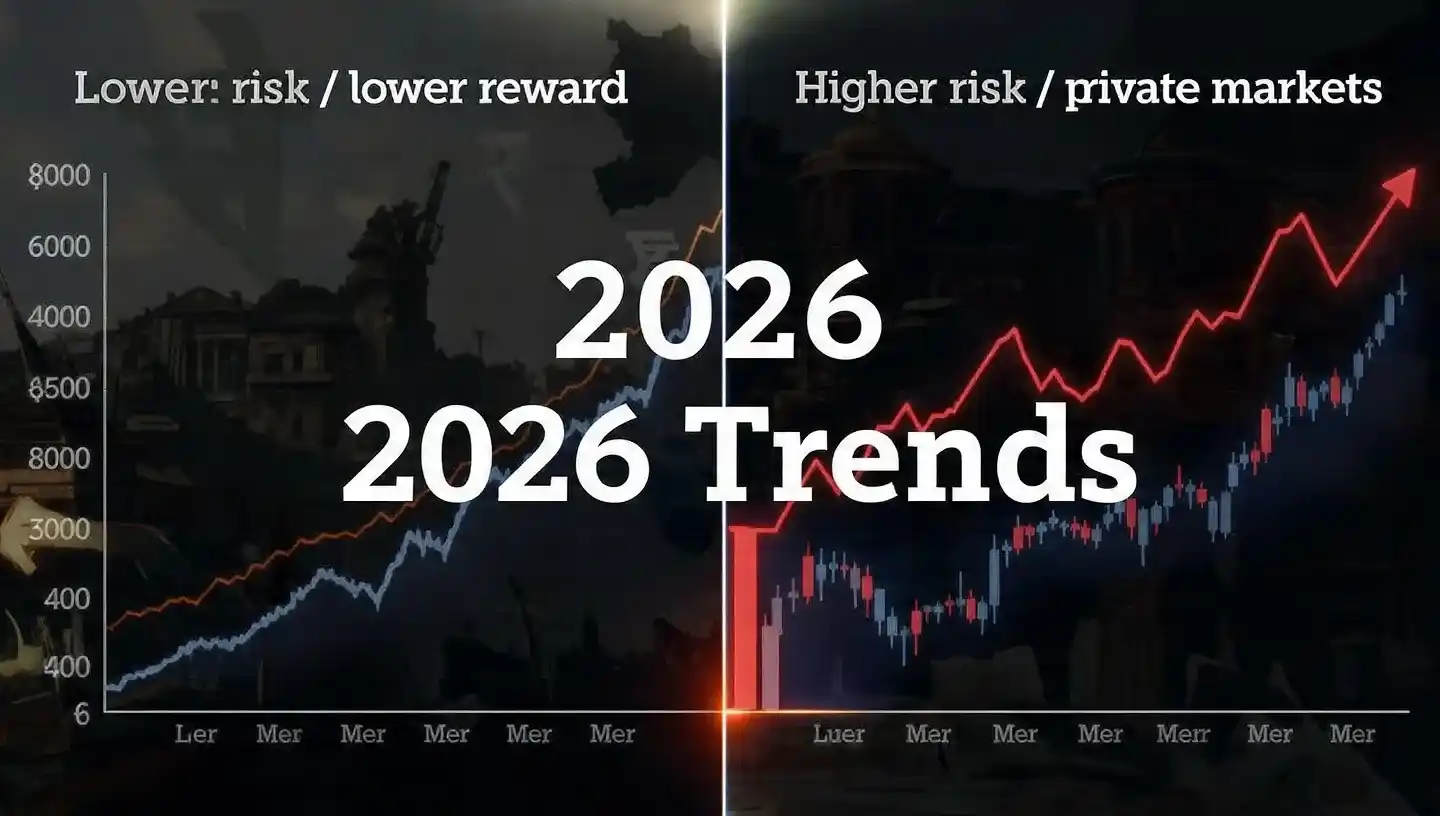
What the Numbers Say
-
S&P 500 (Investing): Over the past 20 years, the index delivered an average annual return of ~8-10% for investors who stayed invested through ups and downs.
-
Speculative Trading (General): Data from major brokerage firms in 2024 shows that more than 75% of active day traders underperform the market, and many incur sizable losses within just 12 months.sofi+1
-
Crypto/Meme Speculation: Roughly 90% of meme coin traders lost money in 2023-2024, according to Chainalysis and Binance research, highlighting the extreme risk in speculative assets.
Practical Examples: Investing vs. Speculation
Real Investment Example
Case Study: Indian Mutual Funds
A person invests ₹5,000 per month via SIP (Systematic Investment Plan) in an index fund. By staying invested for 15 years, they benefit from rupee-cost averaging, compounding, and market growth.
Real Speculation Example
Case Study: AMC/Meme Stocks (2021–2023)
Thousands of traders bought AMC and GameStop stocks primarily due to viral social media campaigns. Early entrants made huge profits, but latecomers lost significant amounts as prices crashed when hype faded.
Speculation vs. Gambling: Is There a Difference?
While speculation and gambling seem similar, there are distinctions:
-
Speculation: Has a chance of success if supported by some analysis or information, albeit limited.
-
Gambling: Outcomes are mostly or entirely based on chance, with little to no skill involved.
Overlap: Pick a coin flip on a crypto token’s direction—that’s pure gambling, not sound speculation or investment.
Investing for the Long-Term: Strategies That Work
Top Investing Strategies
-
Buy and Hold: Accumulate quality assets—stocks, ETFs, real estate—for the long run.
-
Diversification: Spread investments across sectors and geographies.
-
Dividend Reinvestment: Use dividend payments to buy more shares and boost growth.
-
Asset Allocation: Regularly rebalance your portfolio to manage risk.
Success Story:
Warren Buffett’s approach: Buy good businesses at fair prices and hold them for decades.
Speculation Techniques: How Do Speculators Operate?
Popular Speculation Methods
-
Day Trading: Buying and selling assets within the same day.
-
Swing Trading: Holding assets for several days or weeks to ride market swings.
-
Options/Futures: Using derivatives to bet on price movements, often with leverage.
Caution: Speculation can sometimes produce quick profits but also result in large, rapid losses.
Pros and Cons: Should You Invest or Speculate?
Investing:
Pros:
-
Stable, long-term growth
-
Lower risk when diversified
-
Suitable for retirement and financial goals
Cons:
-
Slower growth may seem dull
-
Requires patience
-
Short-term volatility can test nerves
Speculation:
Pros:
-
Potential for rapid, large profits
-
Exciting and engaging
-
Opportunity to capitalize on special situations
Cons:
-
High risk/high chance of loss
-
Emotion-driven, can encourage poor decisions
-
Not suitable for long-term wealth building
Current Trends: Investing and Speculation in 2026
-
Rise of Social Investing: Platforms like eToro and Zerodha’s social features help individuals copy top investors, blurring the line between investing and speculation.
-
Algorithmic Day Trading: Quantitative strategies and AI bots allow retail traders to speculate faster, but increased speed raises risk.
-
Crypto Assets: Still highly speculative despite regulatory crackdowns.
-
Regulatory Focus: SEBI, SEC, and other regulators warn about heightened risks in derivatives and meme asset speculation.
How to Decide: Investor, Speculator, or Both?
Ask yourself:
-
Do I want stable, long-term wealth, or am I chasing excitement and quick profits?
-
Am I basing decisions on thorough research or hype and hot tips?
-
How much risk can I truly afford to take?
It’s perfectly valid to combine both investing and speculation in your approach—just allocate wisely and never risk what you can’t afford to lose.
Best Practices for Smart Investors and Speculators

For Investors
-
Research thoroughly before committing
-
Set realistic, long-term financial goals
-
Diversify to spread risk
-
Monitor and rebalance your portfolio periodically
For Speculators
-
Use risk-management tools (stop-loss, position sizing)
-
Limit speculative trades to a small portion of your total capital
-
Do not let emotion drive your decisions
-
Be prepared for losses and learn from them
Featured Snippet: Concise Answers to Common Questions
Q: What is the main difference between investing and speculation?
A: Investing aims for long-term growth and wealth accumulation using research, while speculation seeks quick profits from short-term market moves, often with higher risk.
Frequently Asked Questions (FAQ)
1. Is speculation always bad for your finances?
Not always.
A small, controlled degree of speculation can add excitement or opportunity. However, excessive speculation is highly risky and can lead to substantial losses.
2. Can you be both an investor and a speculator?
Yes.
Many people allocate most of their portfolio to long-term investments, while using a small portion for high-risk speculation.
3. What are some examples of speculation gone wrong?
Examples include the Dot-Com Bubble, 2021’s meme stock crash, and crypto pump-and-dump schemes. Most involve buying into hype without solid analysis.
4. How can beginners start investing safely?
Start with index funds or diversified mutual funds, research before buying, avoid trying to time the market, and invest regularly for the long term.
5. What tools do speculators commonly use?
Technical charts, trading algorithms, derivatives (options, futures), and social sentiment tracking tools.
6. How can I spot speculation in my own portfolio?
If you buy assets hoping for a rapid price rise—without long-term conviction—or frequently buy/sell on news or hunches, you’re likely speculating.
7. What is the safest form of investment?
Historically, diversified investments in index funds or blue-chip stocks, along with bonds and real estate, are among the lowest-risk options for long-term growth.
Conclusion: Making Informed Choices for Your Financial Future

Understanding the difference between investing and speculation helps you:
-
Build sustainable long-term wealth
-
Handle market ups and downs with confidence
-
Avoid emotional and hype-driven mistakes
Ready to take control of your financial journey?
Whether you choose to invest, speculate, or blend both, always prioritize education, discipline, and risk management.
Call to Action:
If you want more tips on smart investing, financial news, and up-to-date strategy insights, subscribe to our newsletter or explore our educational resources!
Reference:


